
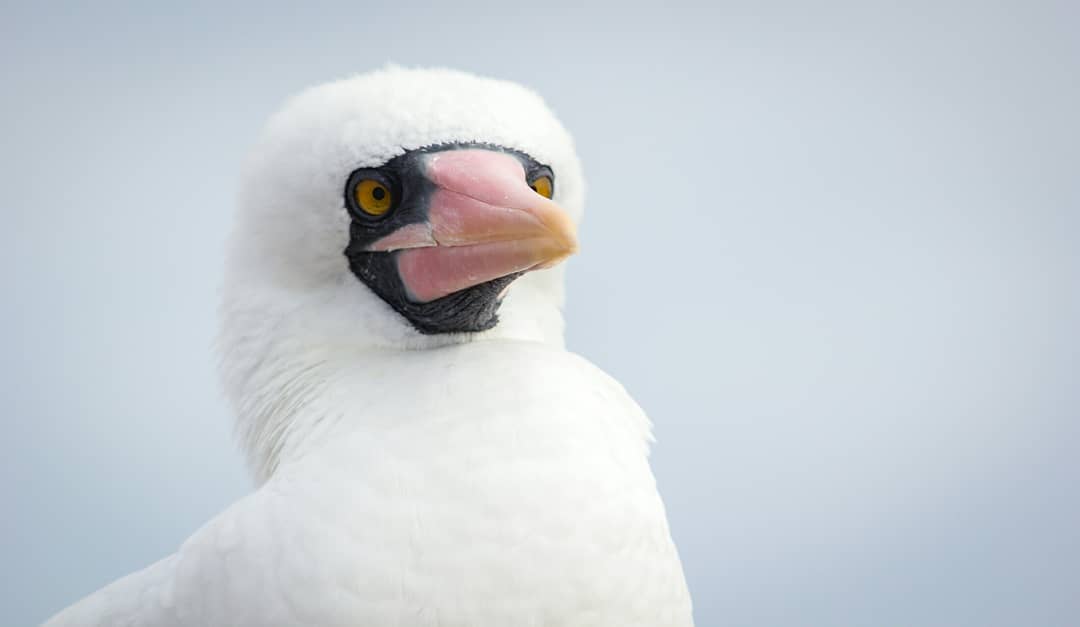
Punta Pitt: The Only Place in Galápagos to See All 3 Booby Species
Punta Pitt: The Only Place in Galápagos to See All 3 Booby Species,Most Galápagos itineraries promise blue-footed boobies. Few mention that there’s exactly one place in the entire archipelago where you can see all three booby species in a single stop: Punta Pitt, on the eastern tip of San Cristóbal Island.
Why Punta Pitt Is Genuinely Unique 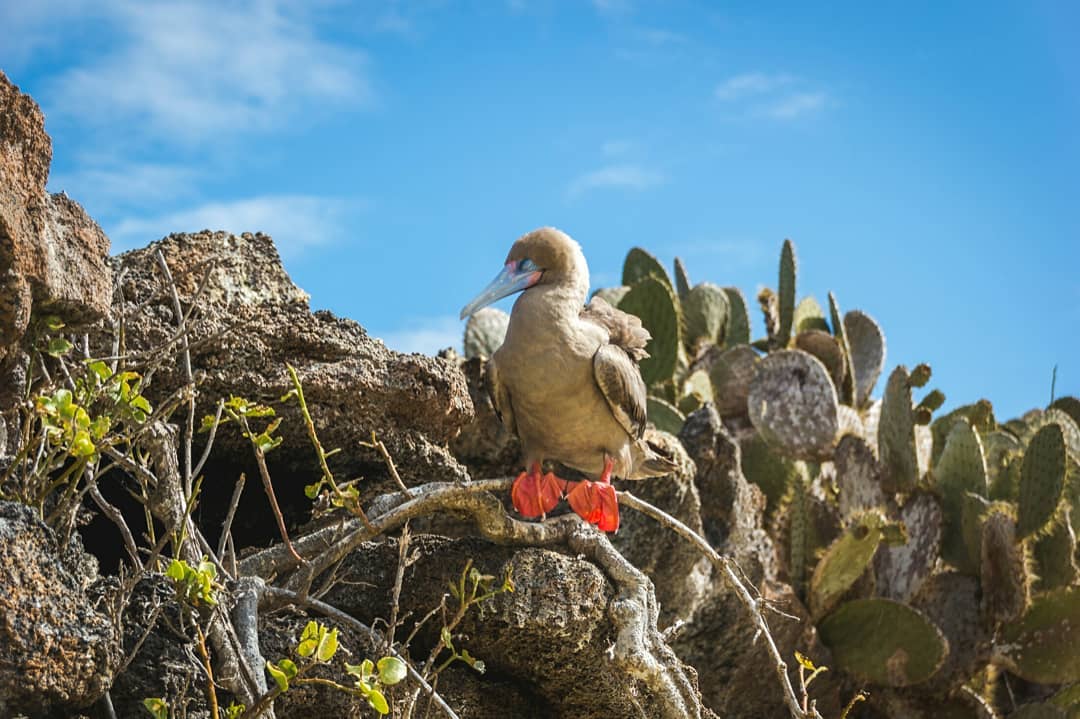
Blue-footed boobies nest across several islands, and Nazca boobies are fairly widespread too. Red-footed boobies, however, are far more restricted. Punta Pitt is the only site in Galápagos where its volcanic tuff cliffs and surrounding vegetation support nesting colonies of all three species close together. Nowhere else in the islands offers that same combination in one location.
The Three Species, at a Glance 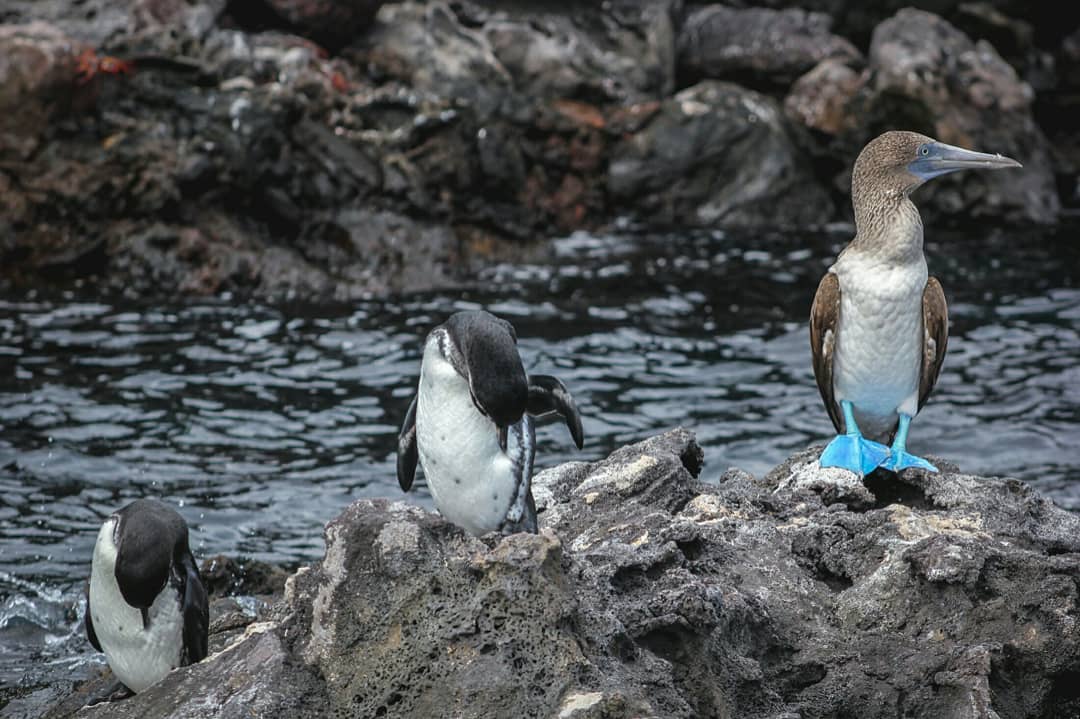
| Species | How to Spot It | Nesting Behavior |
|---|---|---|
| Blue-footed booby | Bright blue feet, visible on ledges and open ground | Nests on bare rock or soil |
| Nazca booby | Larger, white body, orange-yellow bill | Nests on cliff edges |
| Red-footed booby | Red feet, the only booby that nests in trees | Builds nests in shrubs and low trees |
How Punta Pitt Fits Into the 360 Tour 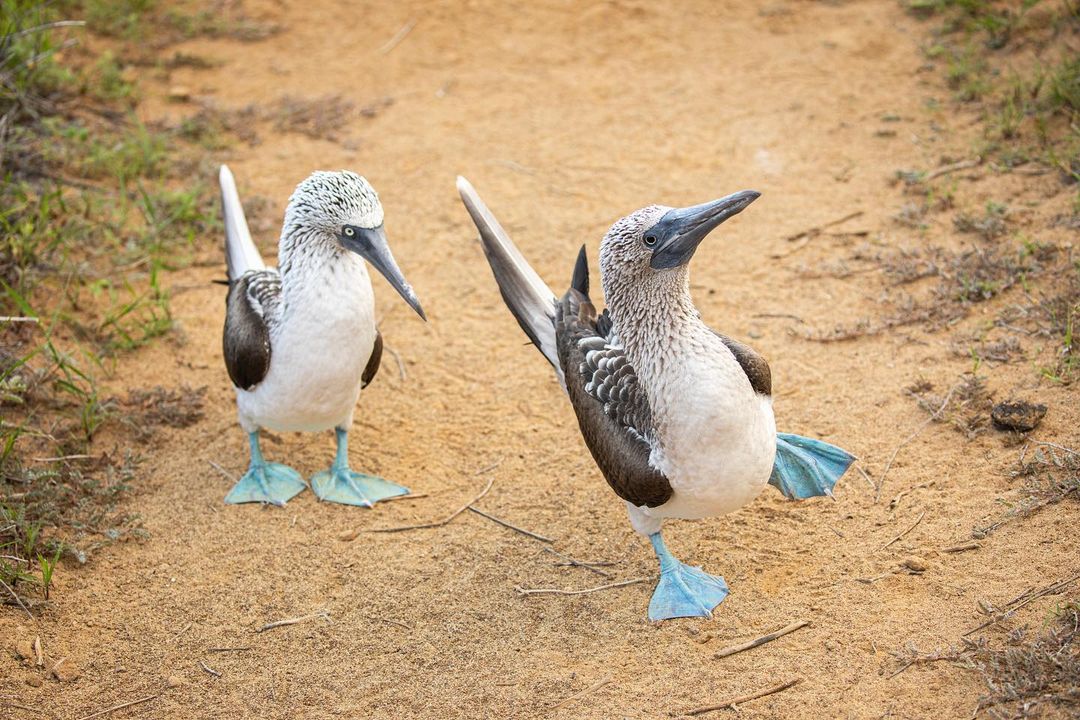
On the San Cristobal 360 Tour, Punta Pitt is typically a scenic stop rather than a landing site — most operators keep you aboard the boat here while lunch is served, since access is limited to protect nesting colonies. Even from the water, though, the cliffs and their birdlife are clearly visible, and a good naturalist guide will point out each species as you pass.
Best Time to See Nesting Activity
Blue-footed booby courtship displays peak from June through August, while Nazca boobies typically nest slightly earlier in the year. Red-footed boobies nest less predictably, but their tree colonies are visible year-round if you know where to look along the cliffside vegetation.
Punta Pitt is the only site in the Galapagos to See All 3Booby Species -Tips for Spotting
Bring binoculars if you have them, since Punta Pitt is usually viewed from the boat rather than on foot. Ask your guide to slow down near the cliffs, and scan both the rocky ledges (blue-footed and Nazca) and the shrub line above (red-footed) separately, since each species favors a different nesting height.
Want to see all three booby species in one trip? Book the San Cristobal 360 Tour here and pass right by Punta Pitt’s cliffside colonies.