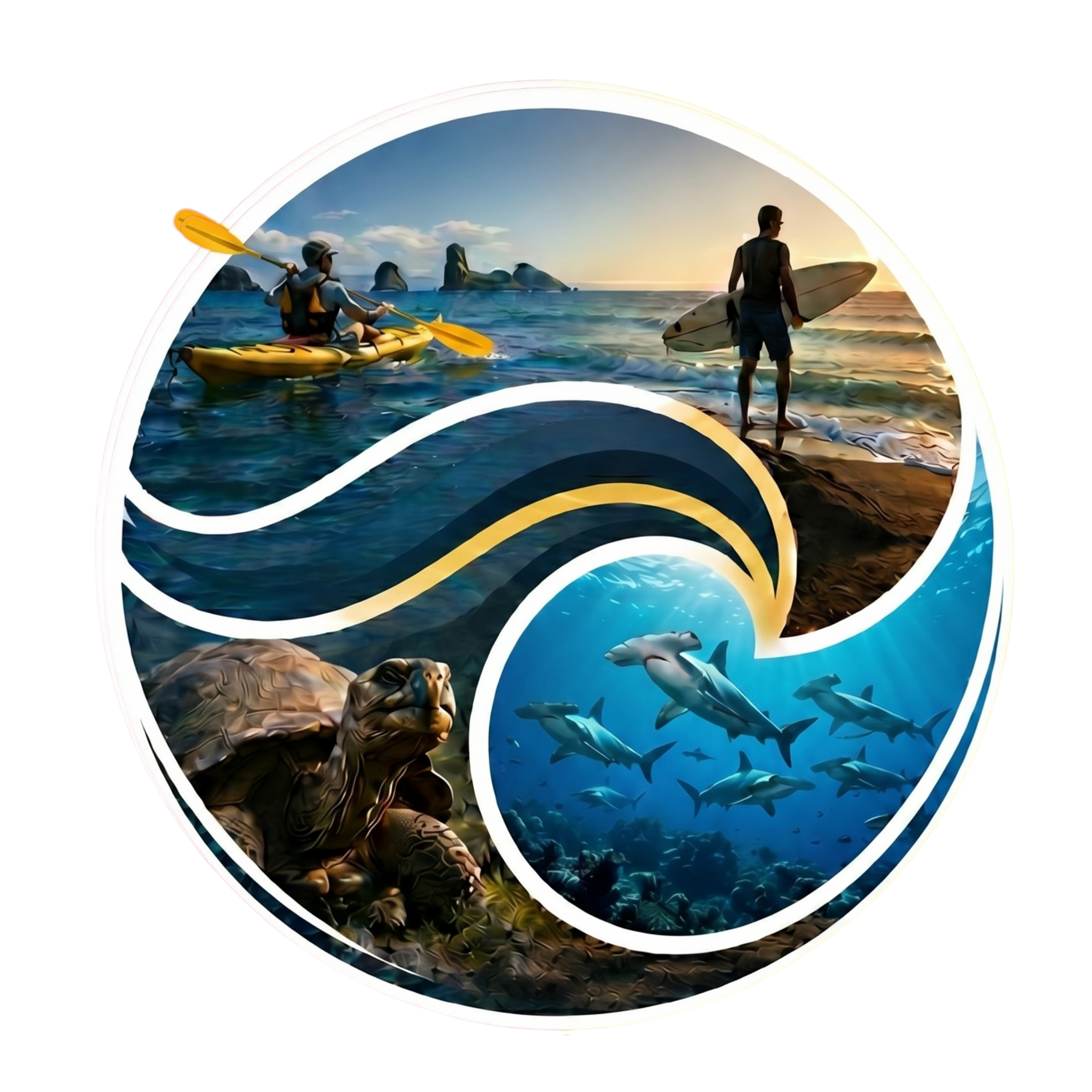
How to Plan a Surf Trip to Galapagos | A Surfer’s Itinerary
Learning how to plan a surf trip to Galápagos starts with one decision most travelers skip: picking the season based on the wave you actually want, not just a convenient travel date. A solid San Cristobal surf itinerary balances real swell windows with rest days, local guide knowledge, and San Cristóbal’s specific break conditions — from low-tide-only spots to remote reef breaks that demand more planning. Whether this is your first stop on a broader surf trip Ecuador islands adventure or a dedicated Galápagos trip, getting the sequence right makes the difference between a few good sessions and a week of missed swell.
Most surf trip guides give you a list of breaks and leave the planning to you. Here’s how I’d actually build the trip, step by step, from choosing the right season to structuring the days so the body — and the wallet — hold up.
Step 1: Pick the Season Based on the Break You Want Most
Every San Cristóbal break favors a different current, so the first decision isn’t a date, it’s a wave.
- Want Punta Carola or El Cañón at their best? Go December to April, when the warm El Niño current brings northern swells.
- Want El Tongo firing consistently? Go May to November, when the cooler Humboldt current takes over and delivers steadier south swell.
Chasing the wrong season for the wrong break is the single most common planning mistake. Decide your priority wave first, then build the calendar around it.
Step 2: Skip the Extra Baggage Fees, Rent Locally
Unless the trip runs two weeks or longer, I wouldn’t bring my own board. Between international sports equipment fees ($100–150 USD each way) and the 23kg weight limit on the flight into Galápagos, the math rarely works out for a short trip. Local rental quality in San Cristóbal has gotten good enough that it’s genuinely not a compromise anymore.
Step 3: Book a Local Guide From Day One
This isn’t about needing lessons. It’s about the information that isn’t written anywhere: which tide window makes Punta Carola safe versus sketchy, where the current pulls at El Cañón, and which day the swell forecast actually lines up with plans. A guide replaces weeks of local knowledge with a single conversation.
Step 4: Don’t Surf Every Day
Reef breaks are more physically demanding than sand-bottom beach breaks, and the paddling, the tension of reading a lava reef, and the equatorial sun add up fast. Spacing surf days with San Cristóbal’s other tours isn’t just sightseeing, it’s active recovery that keeps the body fresh for the next session.
A Real 6-Day Itinerary
Day 1 — Arrival + La Lobería Land, settle in, and get in the water the same afternoon if energy allows. La Lobería’s sand-bottom break is the right call here: forgiving, close to town, and a good way to feel out the reef conditions before committing to anything sharper.
Day 2 — 360 Tour A full day on the water, but not surfing. Kicker Rock, Punta Pitt, and Rosa Blanca give the arms a break while still being firmly in the ocean. It also means seeing hammerhead sharks and sea turtles on a day the shoulders needed anyway.
Day 3 — Punta Carola, Low Tide Time this one carefully. Low tide keeps Punta Carola’s reef break manageable; high tide turns it into a different, more demanding wave. Ask the guide for the tide chart the night before and plan the morning around it.
Day 4 — Highlands Tour Legs instead of arms. El Junco Lagoon, La Galapaguera’s tortoises, and Puerto Chino Beach make for a full change of pace, and by evening the body is ready to paddle again.
Day 5 — El Tongo or El Cañón, Based on the Week’s Swell This is the flexible day. Ask the guide which break is actually working that week rather than sticking to a fixed plan, since conditions shift day to day more than most itineraries admit.
Day 6 — Free Session + Buffer Day Repeat whichever break delivered the best session of the trip, or use the day as a weather buffer if an earlier session got blown out by wind or swell.
What I’d Pack
Reef booties, a 3/2mm wetsuit even in warm season, reef-safe sunscreen, and a dry bag. Everything else — board, extra wetsuit, wax — gets rented locally.
One Thing I Wouldn’t Skip
Travel insurance with emergency evacuation coverage. San Cristóbal’s more remote breaks, especially El Tongo, sit far enough from the island’s one hospital that it’s worth having, regardless of experience level.
Ready to build your own itinerary? Talk to a local San Cristobal surf guide and plan your trip around the season, swell, and pace that actually fits.