Highlands Tour San Cristobal: Volcanic Lakes, Giant Tortoises, and a Forgotten Sugar Empire
The Highlands Tour San Cristobal is the best way to see beyond the beaches of Puerto Baquerizo Moreno. Most visitors picture Galápagos as sea lions and turquoise water. However, the interior of San Cristóbal Island hides something different. Misty crater lakes, giant tortoise reserves, and old sugar-mill ruins sit just a short drive from the coast. In fact, this tour crosses the site of one of Ecuador’s strangest historical chapters — a 19th-century sugar empire built by a man both feared and revered.
This guide covers exactly what the tour includes. It also explains why it consistently sells out. Most importantly, it tells the deeper island story most itineraries skip entirely.
Why the Highlands Tour San Cristobal Sells Out So Fast
Unlike wildlife-only excursions, this tour combines three completely different ecosystems in a single half-day trip: a volcanic crater lake, a highland cloud forest, and a white-sand Pacific beach. Few tours in Galápagos offer that kind of range without requiring a multi-day cruise. Add in giant tortoises roaming freely and a working farm lunch stop, and it’s easy to see why travel bloggers who cover San Cristóbal in depth consistently name this their top recommended land-based excursion on the island.
What You’ll See on the Highlands Tour San Cristobal
El Junco Lagoon
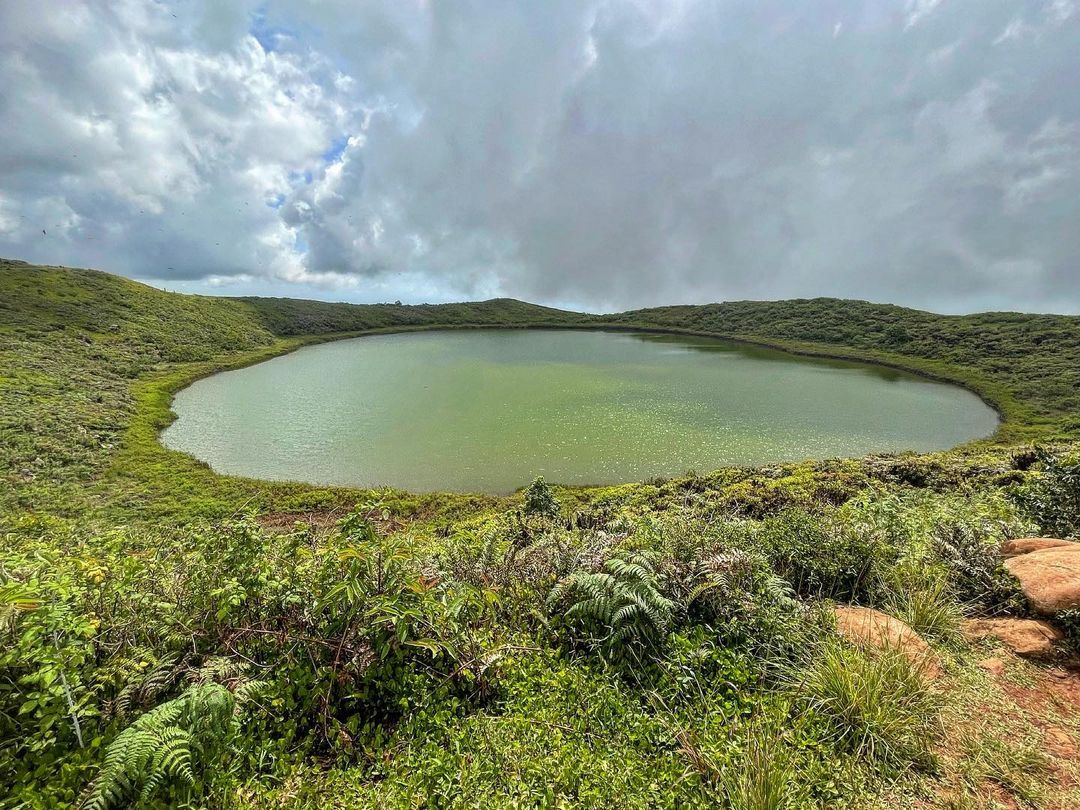
The tour’s first major stop is El Junco, the only significant freshwater lagoon in the entire Galápagos archipelago. Formed inside the collapsed caldera of an extinct volcano, the lake sits at roughly 700 meters above sea level, wrapped in cool mist and endemic miconia shrubs found nowhere else on Earth. Frigatebirds circle overhead to rinse salt from their feathers here, making it one of the few places in the islands where you can watch this behavior up close.
La Galapaguera Tortoise Reserve
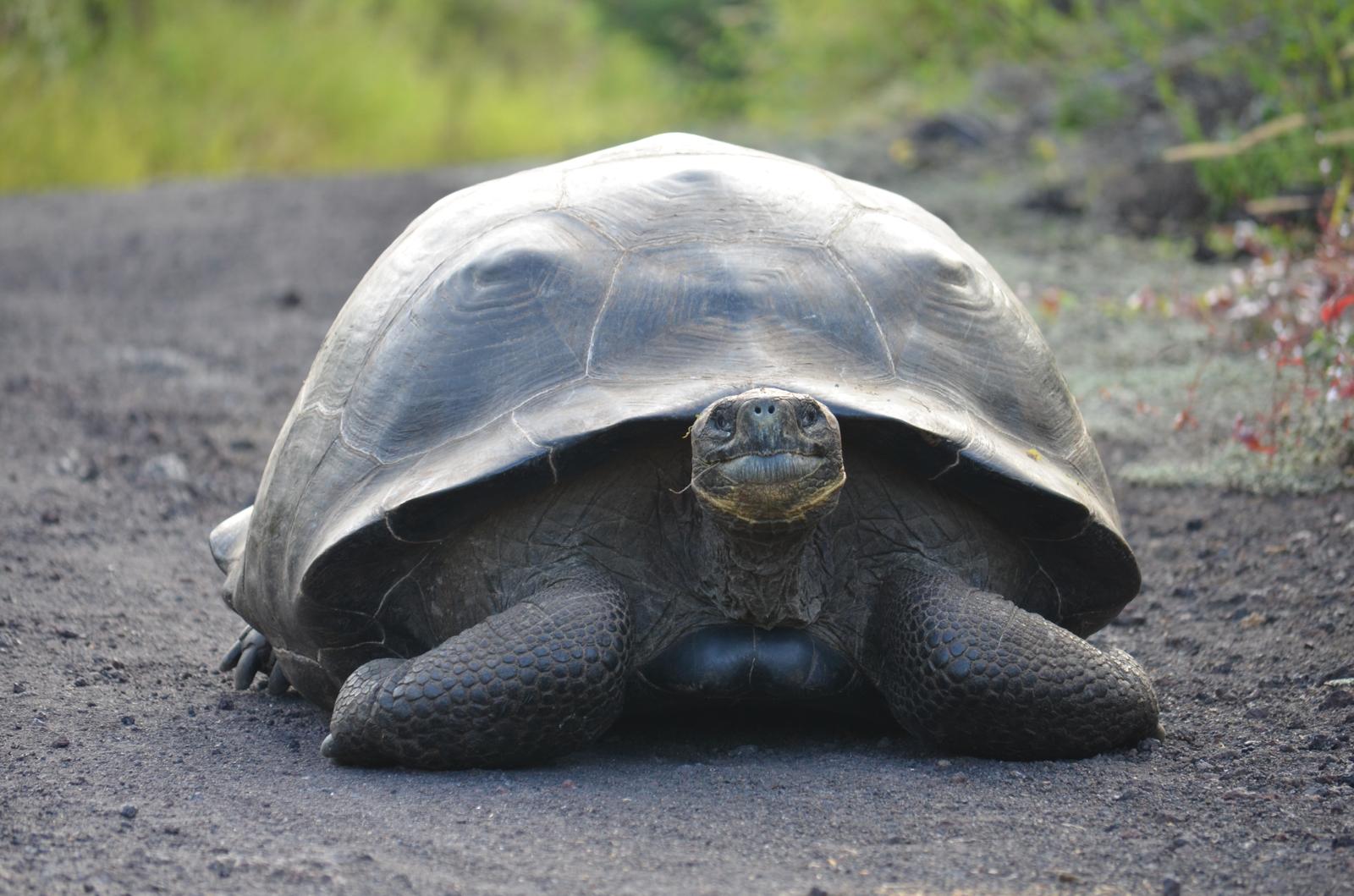
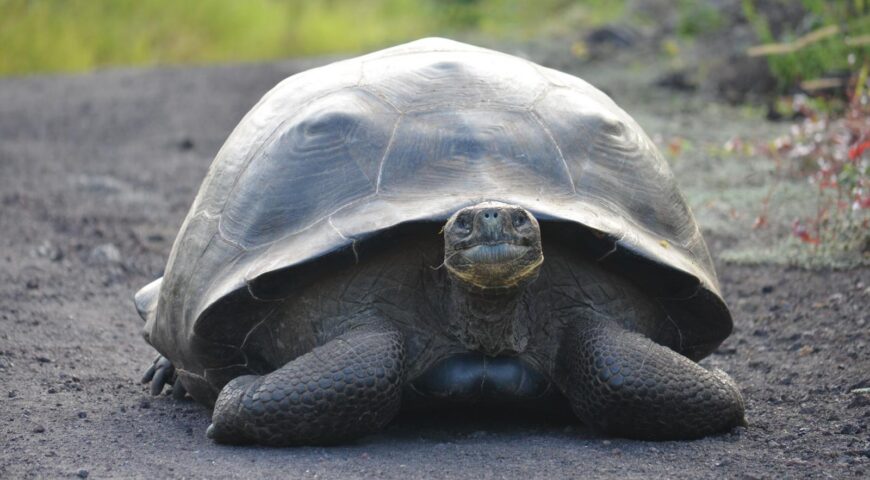
From the lagoon, the route continues to La Galapaguera, a breeding and conservation center dedicated to the San Cristóbal giant tortoise. Walking among tortoises in a semi-natural habitat — rather than behind glass — is often the highlight travelers mention most in reviews of this excursion.
Puerto Chino Beach
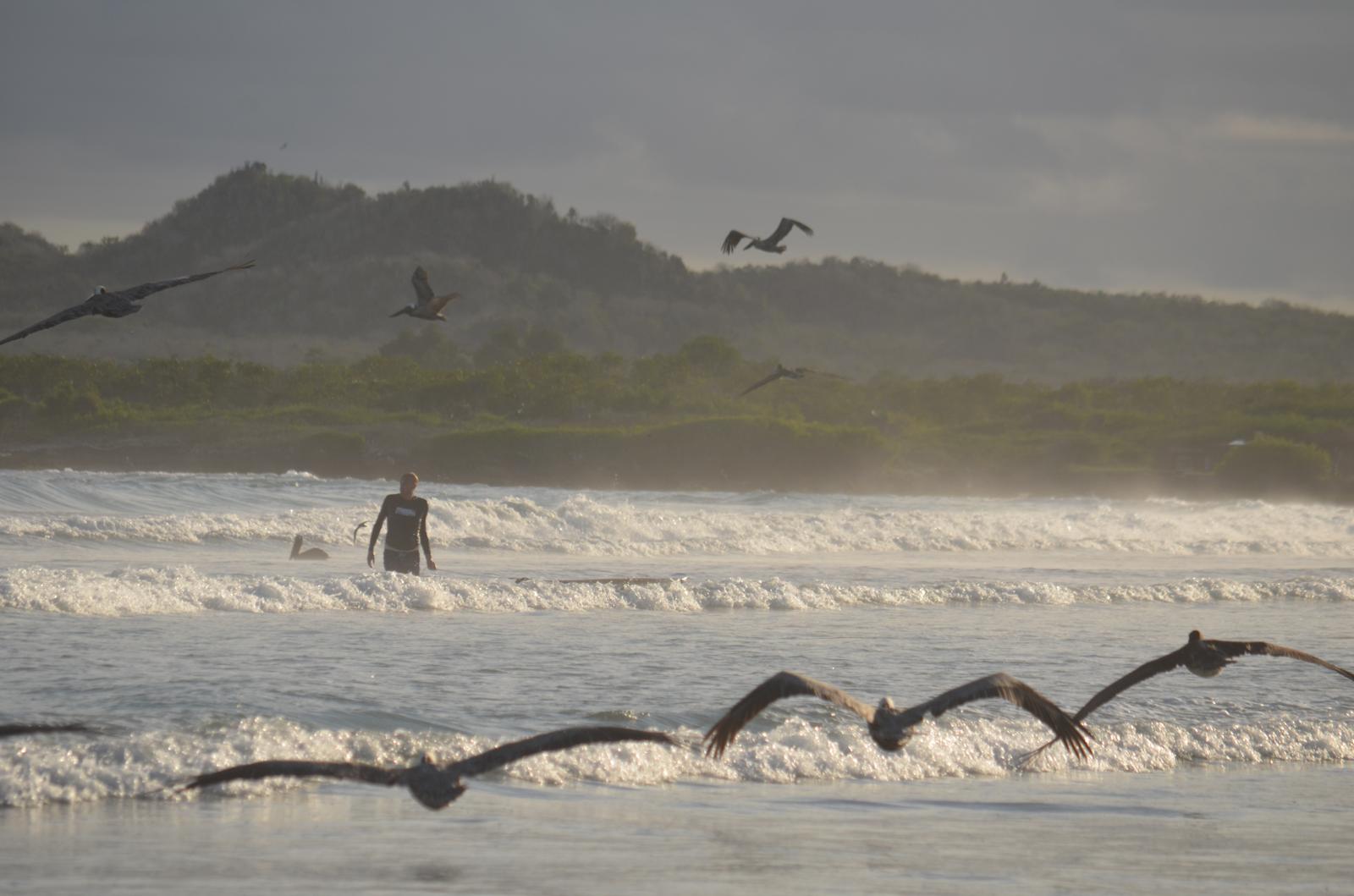 The tour closes at Puerto Chino, a secluded cove reached by a short trail lined with opuntia cactus. Its calm, protected water makes it ideal for swimming, and sea lions are frequently found resting along the shoreline.
A Working Highland Farm
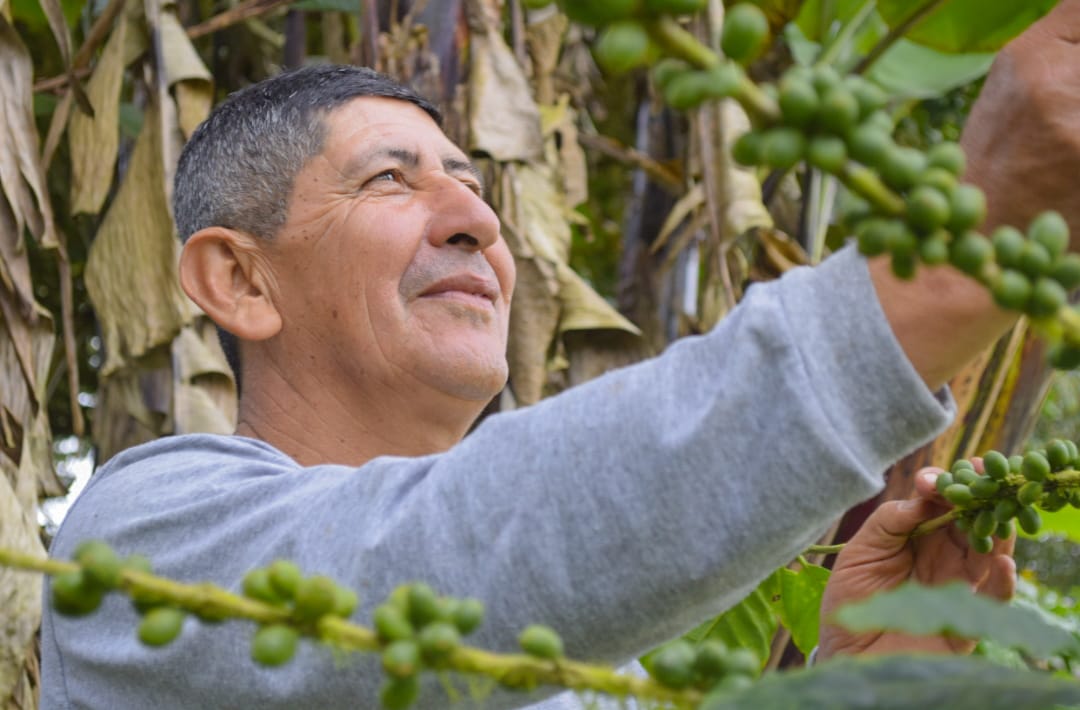
Most Highlands Tour San Cristobal itineraries include a stop at a local family farm for lunch, coffee, or fresh fruit. This stop matters more than it seems — it connects visitors to the same rural highland communities descended from the island’s original agricultural settlers.
The Hidden History Behind the Highlands: Manuel J. Cobos and El Progreso
What almost no brochure explains is that the road this tour travels cuts directly through the site of one of the most extraordinary — and brutal — private enterprises in South American history.
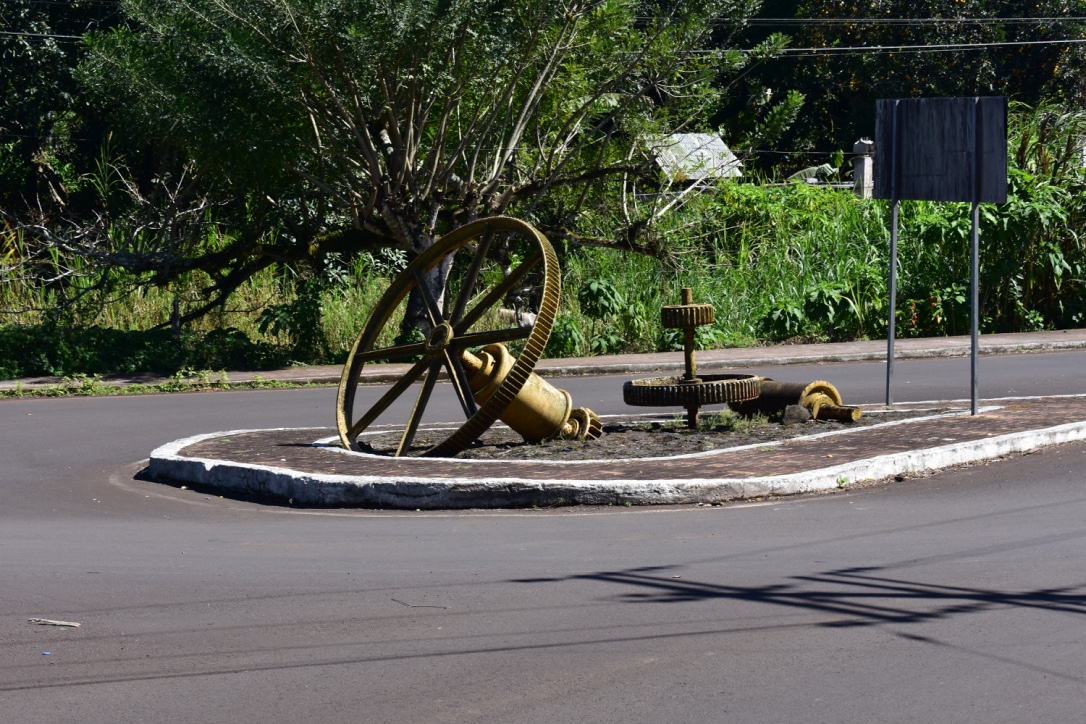
In the 1870s, an Ecuadorian businessman named Manuel J. Cobos arrived on San Cristóbal with a small crew of laborers and a plan few thought possible: transforming an isolated volcanic island into an industrial sugar empire. He founded Hacienda El Progreso in the island’s cool, fertile highlands, importing sugar-processing machinery from Scotland and building a private railway to move cane down to the coast. Within two decades, El Progreso had become one of the largest agro-industrial operations on the Pacific coast of South America, complete with cattle ranches, its own currency, and a workforce of several hundred laborers — many of them sent from mainland Ecuador as convict labor.
Cobos ran the hacienda with an iron discipline that made him, depending on who tells the story, either the founder of the island’s economy or a despot. In 1904, that reputation caught up with him: his own workers assassinated him. The sugar operation limped on under new owners for decades before finally collapsing, leaving behind the crumbling ruins that still stand near El Progreso village today, alongside Cobos’ own grave.
The Families Who Stayed in the Highlands
When the sugar empire finally fell apart, most of the island’s population and economic activity shifted toward the coast, where Puerto Baquerizo Moreno grew into San Cristóbal’s administrative and tourism center. But not everyone left. A handful of highland families chose to stay, adapting from industrial sugar labor to small-scale farming, cattle ranching, and coffee cultivation on the same land their ancestors had once worked for Cobos.
Those same rural families are the ones tourists meet today on the farm-lunch stop of the Highlands Tour San Cristobal. The coffee served, the fruit picked straight from the tree, and the pastureland the tour vehicle drives through are living continuations of a settlement story that began with Cobos’ sugar mill more than 140 years ago — making this tour as much a journey through human history as through natural landscapes.
Best Time to Take the Highlands Tour San Cristobal
 The highlands stay green and misty year-round, but visibility at El Junco is best during the drier, sunnier months (roughly June through November), when the crater rim is less likely to be shrouded in fog. Regardless of season, an early morning departure gives the best chance of clear views and cooler hiking conditions before the midday sun.
Planning Your Highlands Tour San Cristobal
Most operators run this as a half-day tour lasting around four hours, departing from Puerto Baquerizo Moreno by shared vehicle. Comfortable walking shoes, a light rain jacket, sunscreen, and a swimsuit for Puerto Chino are essential — highland weather can shift quickly from misty to sunny within the same morning.
Booking in advance is strongly recommended, particularly during high season, since group sizes are typically limited to protect both the tortoise reserve and the fragile crater-lake ecosystem.
Ready to explore San Cristóbal’s volcanic highlands and its hidden history? Book your Highlands Tour San Cristobal today and experience giant tortoises, a crater lake, a hidden beach, and 140 years of island history in a single unforgettable day.