Planning a Surf Trip to San Cristóbal During the 2026–2027 El Niño: Swells, Gear & Local Reality
If you’re eyeing San Cristóbal in the Galápagos Islands for a surf trip during the 2026–2027 El Niño window, you’re looking at one of the most dynamic ocean setups in the eastern Pacific. While mainstream travel guides often treat the islands like a static postcard, anyone who surfs here knows how dramatically shifting currents, water temperatures, and long-period swells reshape the coastline.
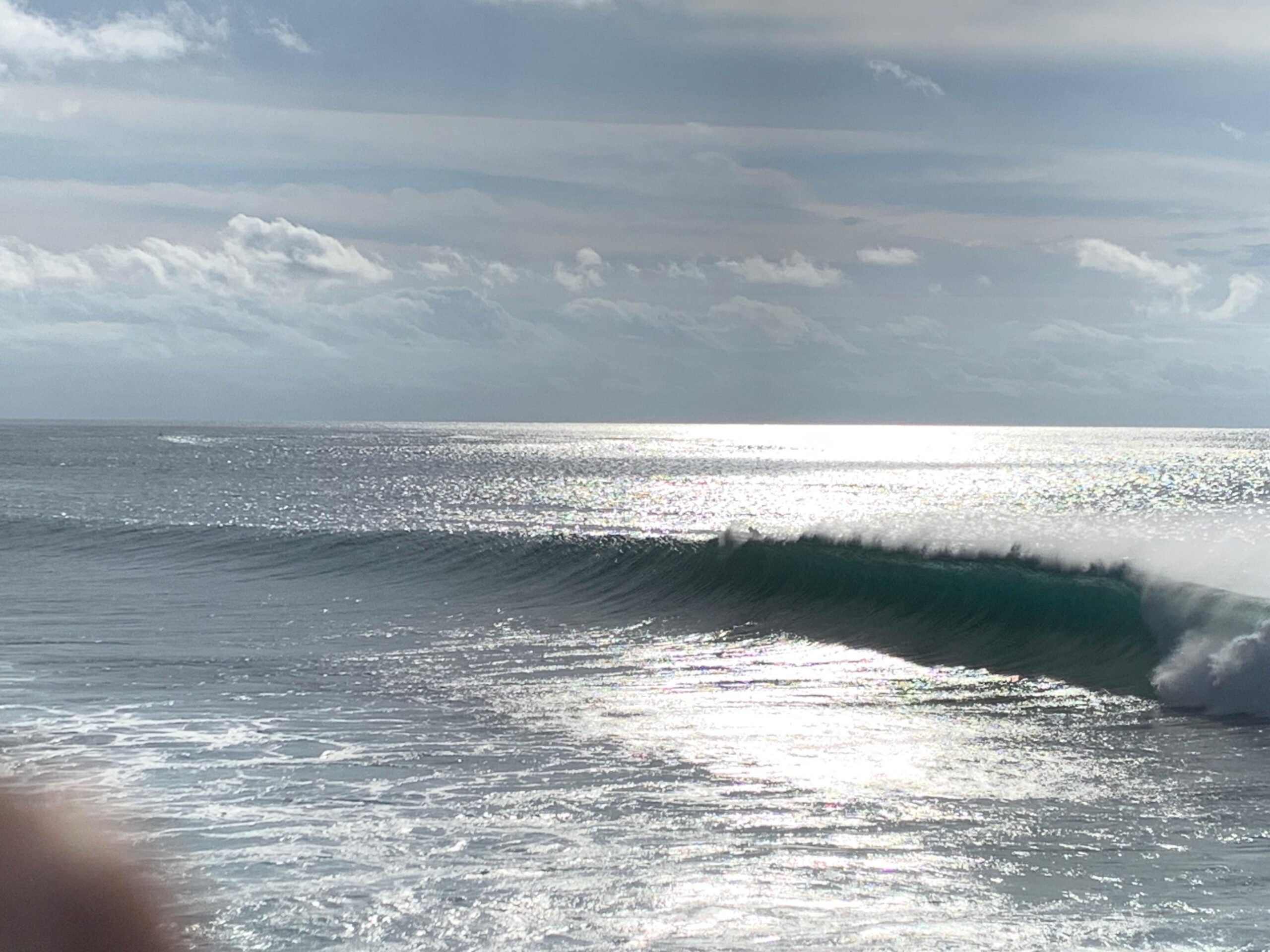
When a 5 to 7 meter swell rolls into San Cristóbal—like the massive run hitting the island in late November 2026—the difference between a dialled-in trip and a stressful scramble comes down to timing, easy arrival logistics, quiver selection, current awareness, and balancing heavy sessions with everything else the island offers.
1. How to Get to San Cristóbal: A 5-Minute Arrival Advantage
One of the biggest perks of choosing San Cristóbal as your surf base is how effortlessly you step off the plane and into island mode:
-
Flights from mainland Ecuador: Travelers typically fly from mainland cities like Guayaquil (GYE) or Quito (UIO) into the Galápagos, with San Cristóbal Airport (SCY) operating directly so you don’t have to lose an extra travel day island-hopping just to start your trip.
-
Just 5 minutes from town and coast: San Cristóbal’s airport sits right next to Puerto Baquerizo Moreno—roughly 5 minutes away by short ride—putting hotels, surf spots, local food, and the waterfront within minutes of touchdown.
-
Travel prep essentials: Remember to complete the Galápagos transit control card (TCT), carry valid ID/passport, expect baggage inspection on arrival, and budget for the Galápagos National Park entrance fee and surfboard baggage policies before you fly.
2. Why the 2026–2027 El Niño Matters for San Cristóbal Surfers
El Niño doesn’t just warm the water off Ecuador—it alters storm tracks, trade wind patterns, and wave energy across the Pacific. For surfers planning a trip toward late 2026 and into early 2027, that shift brings real upside alongside serious ocean power:
-
Warmer water feel: Compared to cooler, upwelling-heavy stretches driven by the Humboldt Current, El Niño conditions typically bring noticeably warmer ocean temps—making long sessions far more comfortable in boardshorts or a light top.
-
More dynamic swell energy: Shifting weather systems and long-period pulses can push bigger, more frequent energy toward exposed coastlines, waking up both classic point/reef setups and bay sections that stay quiet on smaller days.
-
Heavier consequences: More energy means stronger rip currents, shifting sand and rock channels, and days where size jumps fast. A forecast that looks fun on paper can turn heavy and technical within hours.
3. Timing Your Trip: Transition Swells vs. Peak Warm Season
Planning a surf trip to San Cristóbal isn’t about chasing a single magic week—it’s about matching your goals to the seasonal rhythm:
-
Late-year transition pulses (November onward): You can already run into serious groundswell and big ocean energy—the kind that turns spots like Punta Carola, El Cañón, Velero, Tongo, and Bajos de la Bahía into full-scale spectacles when a major pulse lines up. Expect punchier sets, heavier water movement, and days where local safety warnings or beach closures matter.
-
Warm-water swell window (roughly December through April/May): As seasonal shifts settle in, surfers generally see warmer water, tropical rain bursts, and swells that favor different angles and wind windows across the archipelago.
Whatever dates you book, build flexibility into your days. In the Galápagos, wind direction, tide height, and swell period decide which break is actually firing—not a rigid daily checklist.
4. Quiver, Gear & Reading the Lineup
Packing for San Cristóbal during an El Niño cycle means preparing for both racy, playful walls and heavy, fast-moving sets:
-
Boards: Bring your trusted daily shortboard or groveler for lighter days, plus a step-up if you plan to paddle out when sets climb past overhead and into heavier territory. Extra leashes and spare fins are non-negotiable when big water moves.
-
Wax & protection: Pack warm-to-tropical wax depending on sea temperatures, reef/rock booties if you prefer extra foot protection over volcanic rock and sea urchins, and high-SPF reef-safe sunscreen.
-
Know when to sit out: When swells push into the 5 to 7 meter range, respect the lineup hierarchy and your own limits. Watch the channels first, note how fast sets are sweeping down the coast, and never force a spot that is closing out or running with dangerous currents.
5. What to Do After Surfing: Highlands, Coffee, Diving & The 360 Tour
When your arms are blown out from long paddles or a massive swell keeps you out of heavy surf, San Cristóbal gives you plenty of ways to recharge and explore:
-
Head to the highlands to see giant tortoises: Ride up into the lush upper part of the island—such as La Galapaguera de Cerro Colorado or highland reserves—to see Galápagos giant tortoises roaming in cooler, greener highland landscapes.
-
Take a local coffee tour: San Cristóbal is famous for growing high-altitude Galápagos coffee in rich volcanic soil. A coffee tour in the highlands lets you see how beans are cultivated, harvested, and roasted—and enjoy a fresh cup after cool-down hours out of the sun.
-
Book a diving or snorkeling session: If conditions allow on calmer days or protected coves, scuba diving and snorkeling reveal dramatic underwater walls, rays, reef fish, and sea turtles.
Do the famous 360 Tour: The classic 360 Tour circles the island by boat, combining dramatic coastal views, wildlife spotting, and snorkeling stops in crystal-clear bays—an ideal recovery day for tired surf legs while still staying connected to the ocean.6. Local Reality: Wildlife, Access & Lineup Vibe
Part of what makes surfing in San Cristóbal unforgettable is everything happening around you in the water:
-
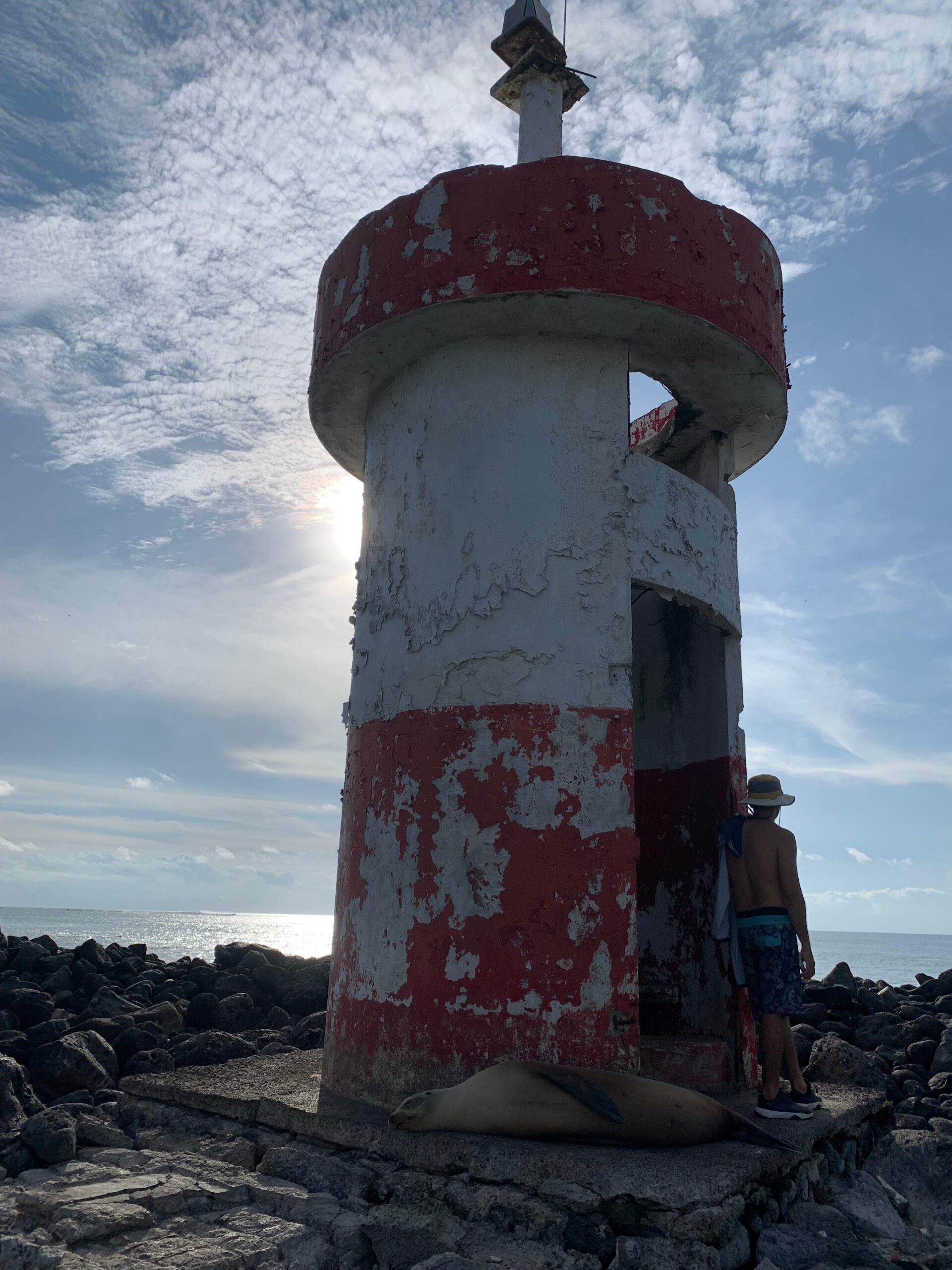
Share space with wildlife: Sea lions cruising right past surfers in the lineup are part of daily life here. Give animals plenty of space, never crowd or provoke them, and follow Galápagos National Park guidelines on beaches and trails.
-
Respect the local crew: San Cristóbal has a tight-knit surf culture where local Galápagos surfers, mainland Ecuadorians, and traveling surfers trade waves and stories. Read the lineup, wait your turn, keep the stoke respectful, and leave beaches spotless.
-
Pair the trip with real reports: Before your trip—and while you’re on the island—check actual swell behavior and local conditions rather than relying solely on generic surf apps.
-
-