The Ultimate San Cristóbal Galápagos Surf Guide: Spots, Lessons & the 2027 El Niño Swell
If you are looking for a real San Cristóbal Galápagos surf guide before booking your flights, let’s skip the generic travel brochure talk: this island is not a “show up, rent a soft-top, and figure it out” kind of surf destination.
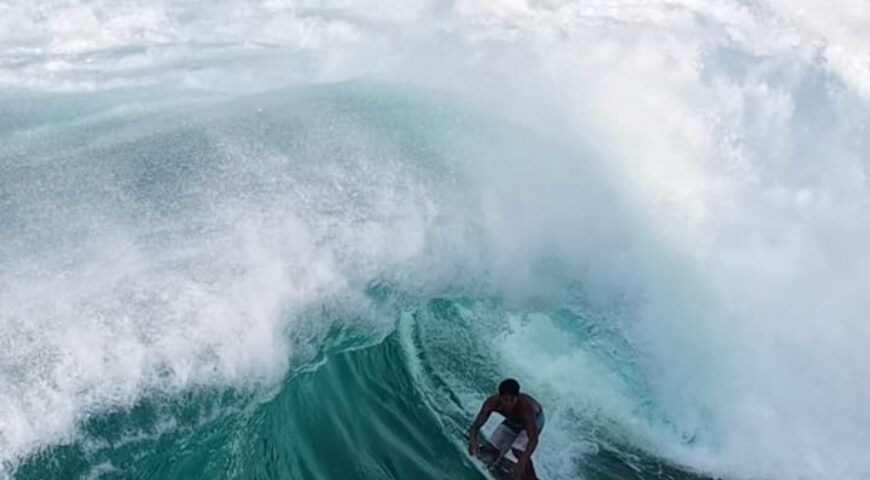
San Cristóbal sits right in the crosshairs of raw Pacific groundswells. When the 2027 El Niño swell starts marching down from the North Pacific, waves like Punta Carola, Tongo Reef, and La Lobería wake up with serious teeth. You are dealing with shallow volcanic lava reefs, razor-sharp sea urchins, heavy Hawaiian-style currents, strict local lineup etiquette, and sea lions who genuinely believe they have priority on every set wave.
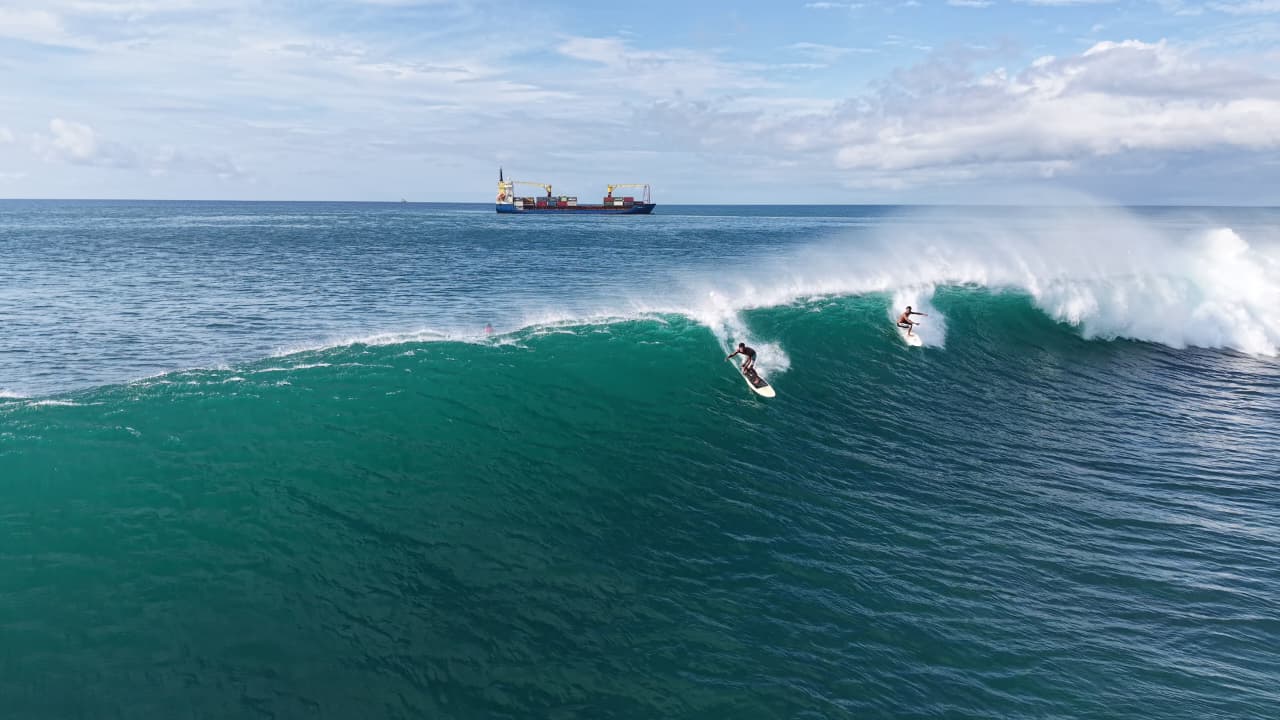
Whether you are an experienced charger hunting heavy overhead barrels or a first-timer looking to book surf lessons or a full surf coaching program in San Cristóbal, hiring a local guide isn’t a luxury—it is the difference between scoring the waves of your life and spending your vacation nursing reef cuts or broken fins on the beach.
How Surfing in San Cristóbal Actually Works (Local Reef & Tide Knowledge)
Most visiting surfers waste their first three days paddling out at the wrong tide or heading to the wrong side of the island. Every break around San Cristóbal has a very specific personality:
-
Punta Carola (The Main Point & El Bajito): When a solid NW swell hits on a mid-to-high incoming tide with light offshore winds, the main point at Carola turns into a mechanical, hollow right-hand barrel machine. Right inside the bay sits El Bajito—a versatile reef shelf perfect for progressing surfers and high-tide beginner sessions.
-
Tongo Reef (The Four-Section Left-Hand Machine): Located just west of town, Tongo breaks over four distinct left-hand sections (Velero, Pico, Medio, and Bajito) and picks up every bit of south and west swell.
-
La Lobería (Heavy Hawaiian-Style Power): Situated right behind the airport, this break delivers serious, hollow right and left barrels when solid swells hit—alongside heavy currents that demand respect.
-
Puerto Chino (The Hidden Sandy Beach Break): Located on the southeastern tip of the island past El Junco Lagoon and the Cerro Colorado Tortoise Reserve, this is the island’s premier sandy-bottom wave.
Meet Axel “El Chivo” Mendoza: Your #1 San Cristóbal Galápagos Surf Guide
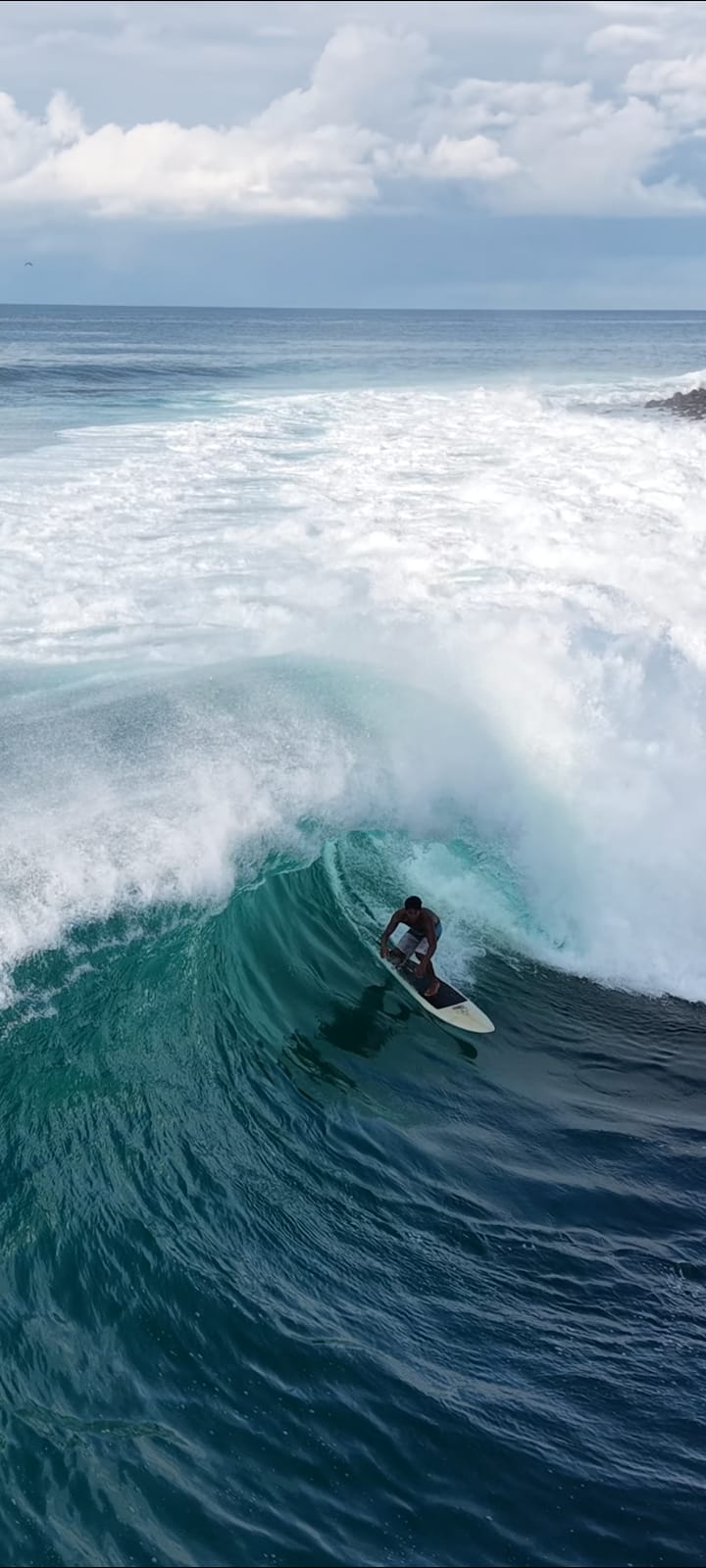
If you ask around the docks of Puerto Baquerizo Moreno who runs the peak when the swell gets big, one name comes up immediately: Axel Mendoza—known in the water as “El Chivo” (The Black Goat of the Waves).
While visiting surfers hesitate on the shoulder when Punta Carola starts throwing heavy overhead bombs, Carola isn’t even a fear factor for Axel. Picture a towering figure with a long goat-style beard paddling into the takeoff zone with effortless presence, reading the deep-water sets ten minutes before anyone else sees them on the horizon, and positioning himself dead-center on the peak. He has become a glorious headache for the local crew simply because his wave selection is unmatched.
Forged in the Heavy Waters of Isabela Island
Axel didn’t learn to surf on soft sandbars. He grew up in the rugged proving grounds of Isabela Island, an unforgiving training academy that produces some of Ecuador’s hardest-charging surfers.
Coming up alongside an iconic generation of Isabela heavyweights—Omero, Chorqui, Jairo, Pelado Body, Junior Torres “La Monja,” and Posito (the 65-year-old San Cristóbal legend known as El Gran Jeque, who still glides through the lineup on a longboard with his unmistakable white hair and mustache yelling “¡Voy, voy, voy!” like a sea lion)—Axel absorbed decades of pure ocean wisdom.
His personal surf resume covers the heaviest slabs and point breaks across the archipelago and the mainland coast, from Barahona and El Faro to Bajo Choro and Punta Orchilla. His philosophy when the ocean turns heavy? Grab one board, paddle out, and don’t overthink it. As El Chivo laughs: “You’ve got to die of something anyway—might as well be in the water.”
Surf Lessons, Coaching & Guiding Packages in San Cristóbal
Because vacation time in the Galápagos is short and expensive, our San Cristóbal surf programs are built to maximize every single hour you spend in the water—zero wasted sessions, zero tide guesswork, and no $200+ airline board-bag fees.
Option 1.1: First-Timer & Beginner Surf Lessons — Puerto Chino (Sandy Beach Break | 2.5 Hours)
-
Best for: Total beginners, nervous first-timers, and anyone wanting a forgiving, zero-rock environment before stepping up to reef breaks.
-
The Journey & Setup: Located on the far side of the island right behind Cerro Colorado, we drive you up past El Junco Lagoon and the Cerro Colorado Galapaguera (the last road-accessible point), followed by a scenic 15 to 20-minute walk carrying boards down to a majestic white-sand beach.
-
Wave & Coaching Experience: Puerto Chino delivers clean, glassy 1-meter (3-foot) beach break waves—mostly fun, peeling lefts (with an occasional right depending on the sandbar angle). On a longboard, you’ll easily catch around 10 solid waves in a session. Best of all? If you wipe out, you fall on pure sand. It is the ultimate confidence-builder to prepare you for surfing reefs later in your trip.
Option 1.2: Beginner & Progression Surf Lessons — El Bajito at Punta Carola (Reef Break | 2.5 Hours)
-
Best for: Kids, beginners ready for the next step, and surfers with basic experience looking for an easy-to-catch wave close to town.
-
Wave & Coaching Experience: As soon as you walk onto Punta Carola beach, you’ll see a wave breaking straight out front over a shallow shelf called El Bajo de Bajito. It offers clean, user-friendly waves up to 1.30 meters (4+ feet) that naturally push you straight toward the sandy shore if you lose your balance—making it super easy for your instructor to assist you.
-
Crucial Local Tide Rule: El Bajito must be surfed at full high tide. Because it breaks over volcanic rock, surfing here on a low or dropping tide will chew up your surfboard, knock out your fins, or leave you with reef cuts. We time every session strictly around the high-tide window.
-
The Bonus: Ideal for sunset sessions. If you bring a friend or family member, they can snap incredible photos right from the beach while Galápagos sea lions casually surf the same waves alongside you.
2. Intermediate & Advanced Reef Progression — Tongo Reef (Single Session or 3-Day Pack)
-
Best for: Surfers who can already catch green waves, duck-dive with confidence, and want to master San Cristóbal’s iconic left-hand reef breaks.
-
The Boat Mission: To reach Tongo Reef, we hop on a water taxi from the main San Cristóbal pier or Tiburón Martillo (around $10 USD). Look for local boats in the bay like Cirilo or Patasito flying a pirate flag. As we cruise along the coast past El Cañón, the island’s original historic Cemetery, and the Naval Zone, we pass right over an outer reef shelf straight into the Tongo lineup—where skill level and wave priority immediately come into play.
-
Breaking Down Tongo’s 4 Left-Hand Sections: Tongo consists of four all-left sections: Velero, Pico, Medio, and Bajito. When a deep-water set connects from Pico all the way through to Bajito, locals call it “La Barredora” (The Sweeper) because it literally sweeps the reef clean of seaweed—and anyone out of position. Your duck-dive needs to be locked in here, or the next wave in the set will send you straight to the reef bottom for a heavy rinse cycle.
-
Velero: A fast, hollow wave with a thick, pitching lip. You have to pop up, crouch low immediately, and grab your rail to tuck into the barrel before racing through toward Medio.
-
Medio: Heavy and unforgiving—there is zero room for hesitation here, or you risk ending up on the rocks. The local strategy is to take off, get to your feet instantly, and pump top-to-bottom down the line to outrun the lip until you connect into the Bajo.
-
El Bajo del Tongo: More relaxed than the upper sections, though getting overconfident will still humble you. It’s a wide, long left that breaks further out with a clean, open barrel section where you can pull into tubes without fear and throw maneuvers.
-
-
Wave Rhythm & Endurance: Sets arrive in powerful 5-to-7 wave pulses roughly every 30 minutes, breaking 40 to 50 meters off the rocks (and up to 100 meters out on big swells). You need solid paddling stamina and high-adrenaline focus.
3. 2027 El Niño Pro-Level Heavy Water Guiding — La Lobería & Outer Reefs
-
Best for: Experienced, physically conditioned chargers chasing pro-level Hawaiian-style power and the 2027 El Niño swell.
-
Where We Surf: La Lobería (located right behind the airport, accessible by land taxi or a short walk), plus heavy Punta Carola and outer reef setups.
-
The Wave & Conditions: La Lobería is famous for its colony of sea lions lounging on the sand—but once you paddle past the shorebreak, the ocean turns serious. Heavy currents pull hard with pure Hawaiian-style power. This is strictly not for beginners or casual swimmers; misread the rip, and it will drag you straight toward the lava rocks.
-
How to Ride It Like a Local: When big swells roll in every 30 to 40 minutes in 6-to-7 wave sets, La Lobería throws thick, hollow 5-to-6 meter (15–18 ft face) right-hand barrels, alongside an equally heavy left. We position you directly in front of the beach hut (la caseta), lining up 20 meters off the rock shelf and paddling two meters deeper into the peak to catch it right on the bowl. As Axel “El Chivo” Mendoza tells chargers looking down the face before dropping in: “When you paddle hard and look down, it feels like jumping off a building—just stay calm, it’s only water.”
-
Exit & Crew Perks: You exit by paddling straight back in through the sandy beach channel. If you bring a photographer, the beach angles are world-class—and non-surfing friends can snorkel right in the bay alongside sea lions and sea turtles while you score the session of a lifetime.
Why Book a Local San Cristóbal Galápagos Surf Guide Instead of Going Solo?
-
Real Local Quiver Access: Leave your travel bag at home. We stock longboards for Puerto Chino, funboards for El Bajito, and high-performance shortboards and step-ups for Tongo Reef, La Lobería, and big El Niño days.
-
Zero Reef & Tide Guesswork: From knowing when El Bajo de Bajito hits full high tide to catching the Cirilo or Patasito water taxi at the exact swell window for Tongo, we handle all local logistics.
-
Photo & Video Proof: Go home with frame-worthy shots from the beach or water—often with a curious Galápagos sea lion sharing your wave.
-
100% Eco-Responsible: We operate strictly under Galápagos National Park guidelines—reef-safe sun protection, zero trace, and total respect for the marine wildlife that calls these breaks home.
Lock In Your 2027 Galápagos Surf Trip Dates
Swell windows in the Galápagos move fast, and prime slots during the 2027 El Niño season are limited. Whether you want a beginner session at Puerto Chino or El Bajito, a 3-day left-hand reef progression at Tongo, or an all-out heavy-water mission at La Lobería and Punta Carola with Axel “El Chivo” Mendoza, hit us up before you finalize your flights.