
El Nino in the Galapagos Islands: Everything You Need to Know
If you’re planning a trip to the Galapagos, you may have come across mentions of El Nino in the Galapagos Islands and wondered what it actually means for your visit. This natural climate pattern reshapes ocean temperatures, rainfall, and wildlife behavior across the archipelago every few years.
In this guide, we explain what El Niño is, how it affects the islands’ unique ecosystems, and what travelers should realistically expect if their trip coincides with an El Niño year.
What Is El Nino in the Galapagos Island, Exactly?
El Niño is the “warm phase” of a larger climate pattern called the El Niño-Southern Oscillation (ENSO). During a typical year, trade winds push warm surface water toward the western Pacific. During El Niño, those winds weaken, and warm water shifts back toward the eastern Pacific, including the waters around Galapagos.
The term originated with South American fishermen, since these events typically build through spring and summer, peaking around Christmas time. The name means “the little boy” or “Christ child” in Spanish.. El Niño’s opposite phase is called La Niña, which brings colder-than-average sea temperatures instead. On average, El Niño events occur every two to seven years, though their strength and impact vary considerably from one event to the next.
How El Nino Affects Marine Life in Galapagos
Warmer ocean temperatures during El Niño reduce the upwelling of cold, nutrient-rich water that fuels the Galapagos marine food chain. This has a direct and sometimes severe impact on species that depend on the sea for food.
Marine Iguanas
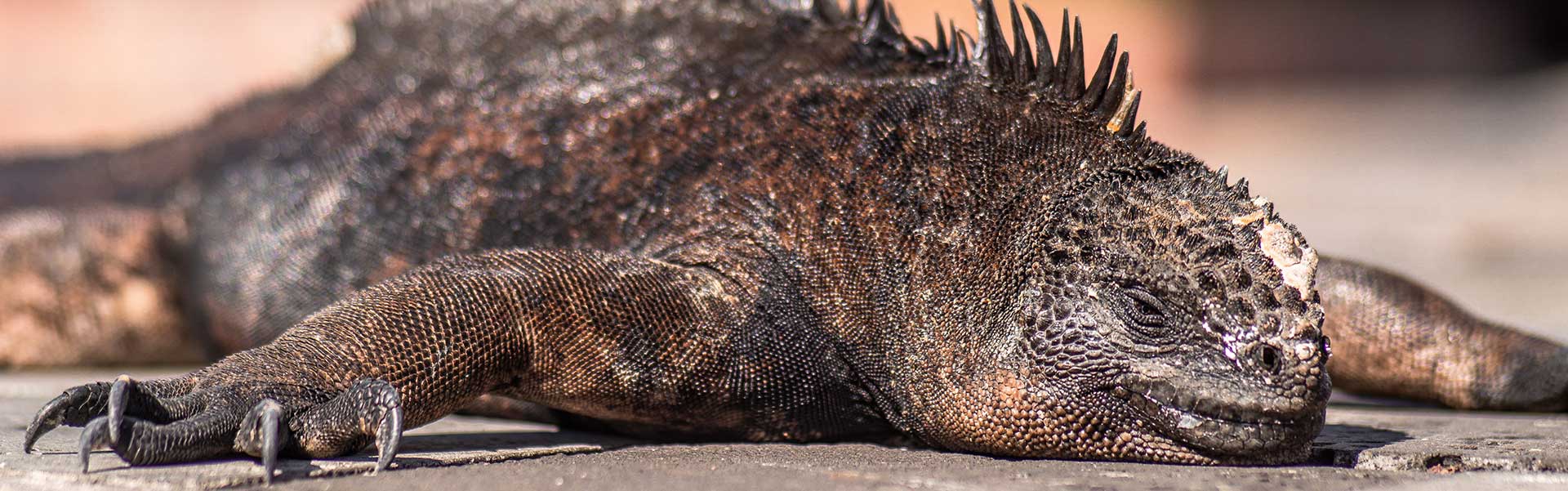
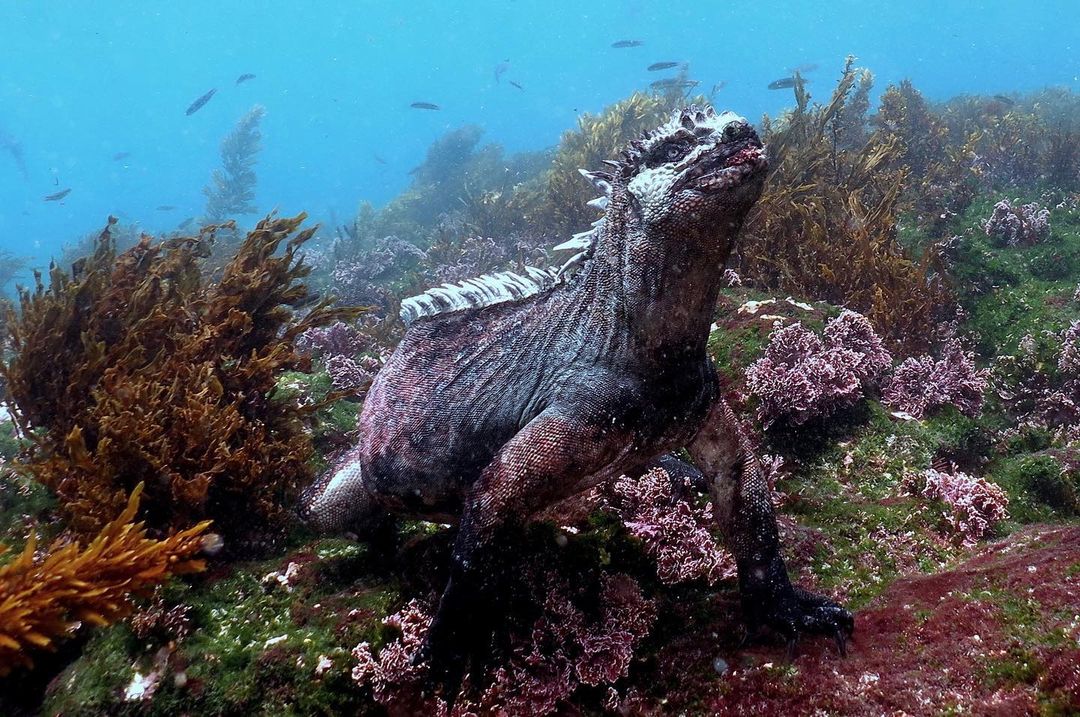
Marine iguanas feed almost exclusively on marine algae, which declines sharply when waters warm. During the severe 1982-83 El Niño, as much as 70% of the marine iguana population was lost. Remarkably, marine iguanas have developed a unique survival strategy: they can actually shrink their own body length during periods of food scarcity, then regrow once conditions improve.
Sea Turtles, Penguins, and Seabirds
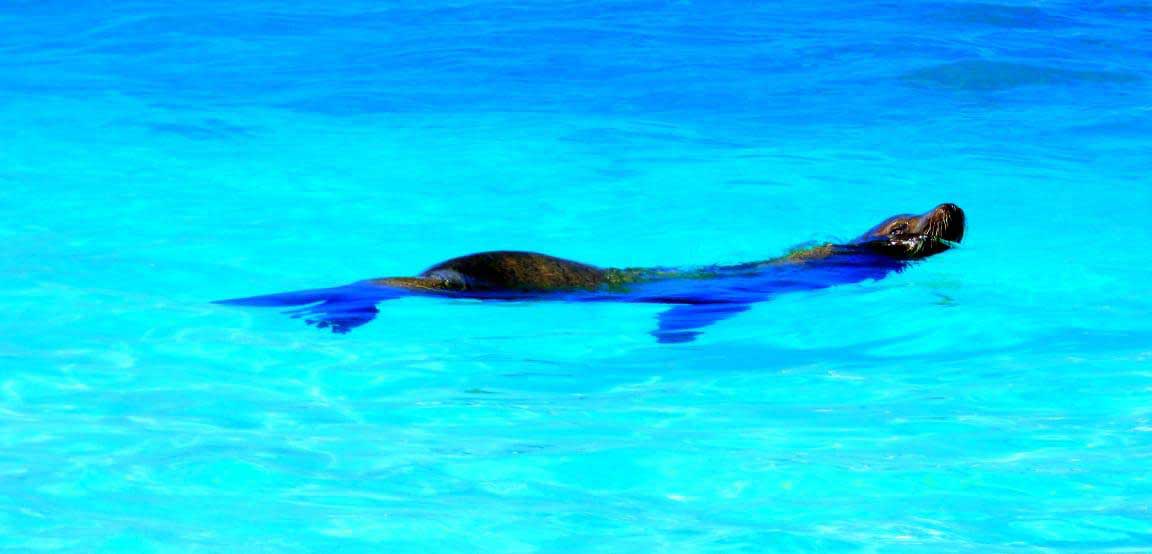
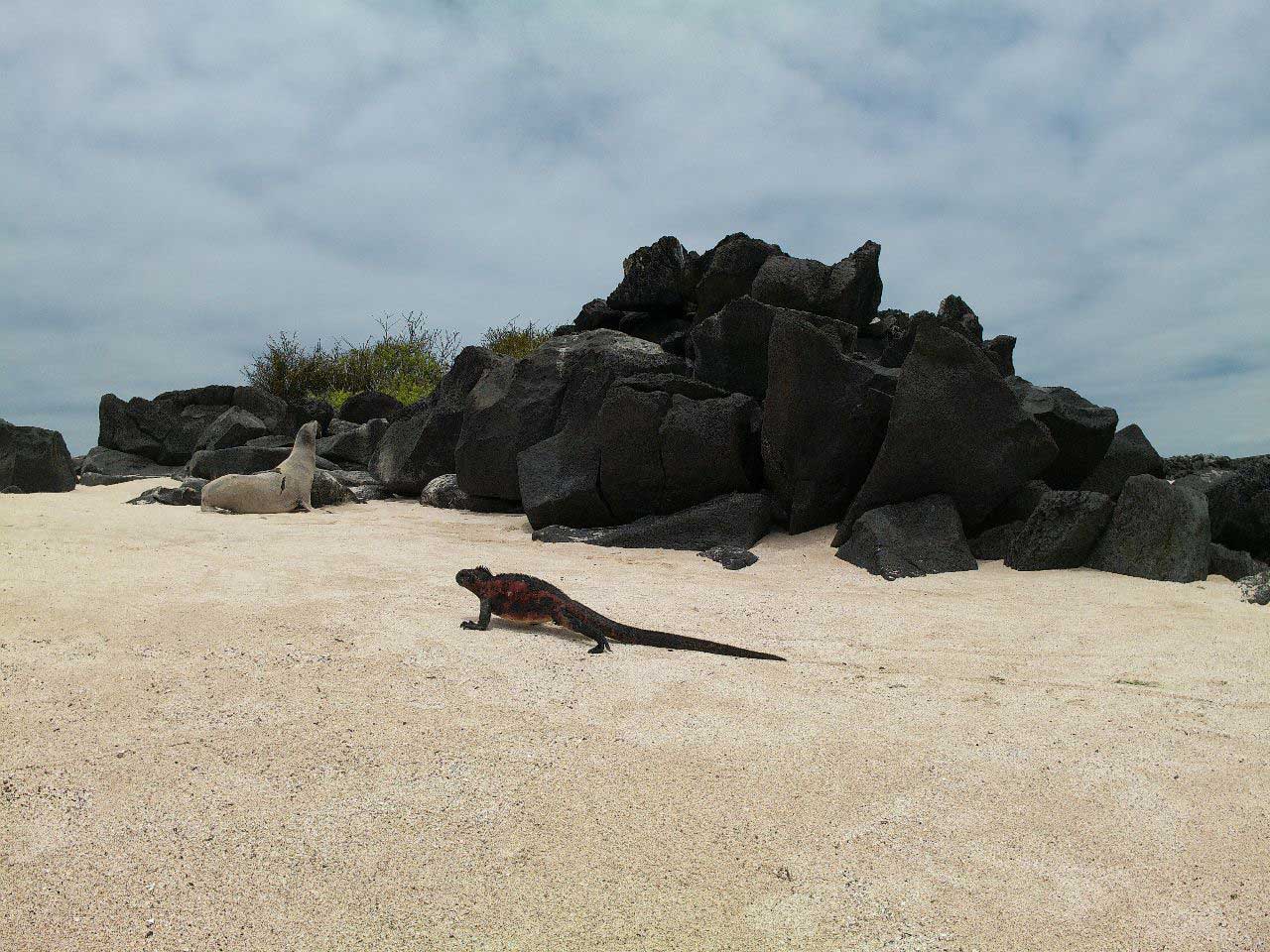
Green sea turtles lose access to seaweed, their primary food source, while Galapagos penguins and flightless cormorants, both already limited-range species, see reduced fish availability and lower breeding success. Seabirds across the islands often show visible changes in behavior and reduced reproduction during strong El Niño years.
Giant Tortoises
Interestingly, giant tortoises show a mixed response. During the 1982-83 event, tortoises adapted by moving to lower elevations. During the 1997-98 event, flooding disrupted some nests, but the resulting increase in food availability actually boosted growth and survival rates for others.
How El Nino in the Galapagos Island Affects Land Wildlife and Vegetation
While marine species struggle during El Nino, the story is often the opposite on land. The extra rainfall that comes with El Niño transforms the typically arid Galapagos landscape into lush, green terrain, and most terrestrial species benefit as a result.
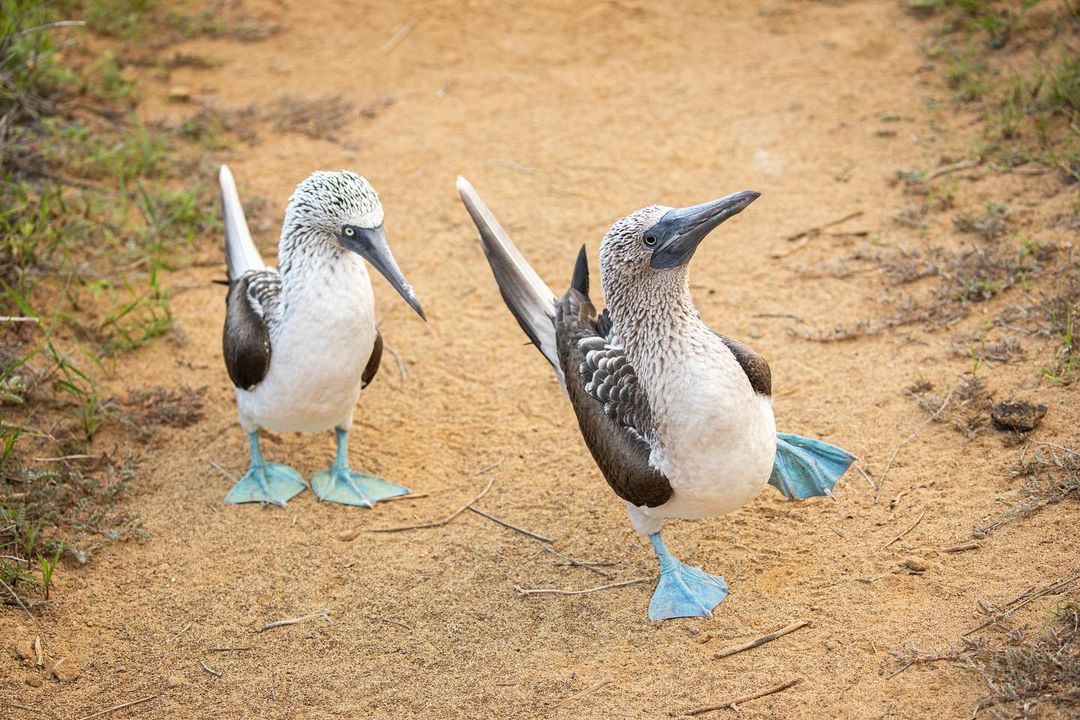
Land iguanas, giant tortoises, finches, hawks, and boobies generally continue thriving with little disruption. Plant life proliferates thanks to the sudden abundance of water. Some drought-adapted species, like candelabra cacti, can actually suffer from excessive rainfall.
How Strong Will the Next El Niño Be?
El Niño events range from weak to severe, and their real-world impact in Galapagos depends heavily on that strength. Weaker or moderate events tend to bring subtler, often barely noticeable changes, mostly warmer water and greener landscapes. Severe events, like those in 1982-83 and 1997-98, left a clear imprint on the islands. They brought elevated sea temperatures, disrupted marine food chains, and visible changes in wildlife behavior.
For the 2026-27 outlook, forecasters point toward a moderate event, with some risk of stronger conditions developing. As with all El Niño predictions, though, the pattern remains notoriously difficult to forecast with precision, and conditions can shift as the season progresses.
Should You Still Visit Galapagos During an El Nino Year?
Absolutely. Even during a strong El Niño year, Galapagos cruises and land-based tours continue operating normally, and hundreds of thousands of visitors still enjoy an unforgettable trip. While marine wildlife density may be somewhat lower at certain times and locations, terrestrial species, which make up a huge part of the Galapagos experience, remain largely unaffected and often more visible thanks to the lush, green scenery.
For naturalists and curious travelers, witnessing an El Niño event firsthand is actually a remarkable opportunity. Few destinations let you observe a major climate phenomenon reshaping an entire ecosystem in real time, from shrinking marine iguanas to blooming landscapes.
EL Nino in the Galapagos Islands ,Final Thoughts
El Niño in the Galapagos Islands is a natural, recurring part of life in this extraordinary ecosystem, one that challenges marine species while benefiting many on land. Rather than a reason to cancel or postpone your trip, it’s simply part of the ever-changing story of the islands. Whatever the conditions during your visit, the Galapagos will always deliver a bucket-list travel experience.
Planning a trip and want expert guidance on what to expect during your travel dates? Contact our team to start planning your Galapagos adventure.