
The Complete Guide to Galapagos Inter-Island Ferries
Getting around the Galapagos Islands isn’t like hopping between cities on a bus. In fact, the fastest and most affordable way to travel between the main inhabited islands is by inter-island ferry, also known locally as a “fibra” or speedboat. Whether you’re island-hopping on a budget or simply prefer a land-based itinerary over a cruise, understanding how these ferries work will save you time, money, and a few surprises.
In this guide, we cover everything you need to know about Galapagos ferries, from routes and schedules to prices and practical tips for a smooth crossing.
What Are Galapagos Inter-Island Ferries?
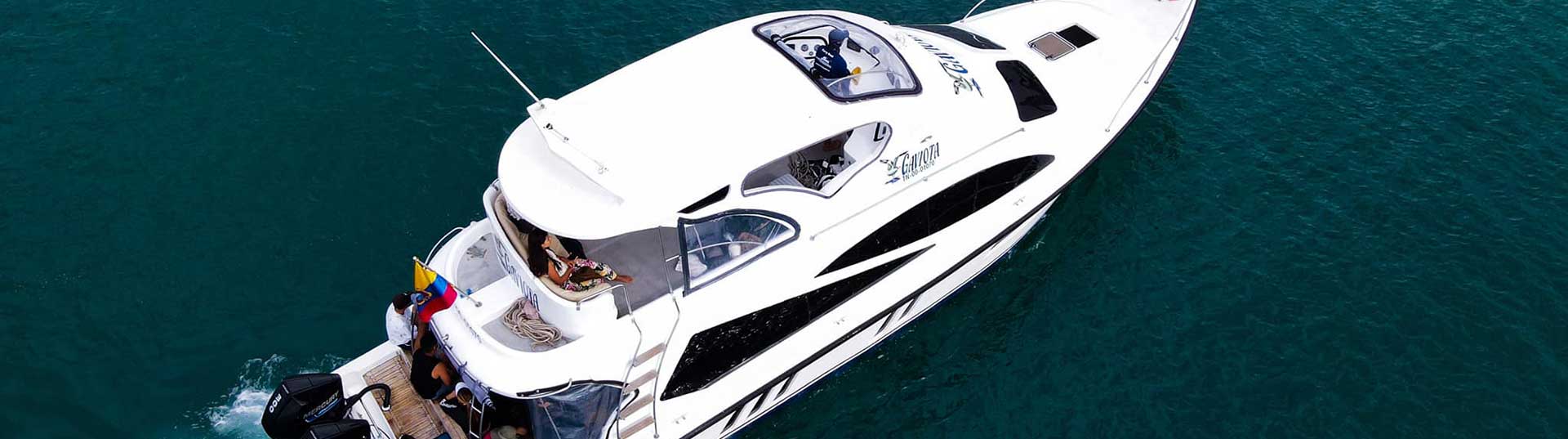
Galapagos ferries are small, open or semi-covered speedboats that connect the four inhabited islands: Santa Cruz, San Cristobal, Isabela, and Floreana. Unlike large cruise ships, these boats carry between 20 and 30 passengers and are primarily used by locals, independent travelers, and tourists building their own multi-island itinerary.
Generally, each boat operator runs the same routes at similar times every day, so once you know the schedule, planning your trip becomes fairly straightforward.
Main Ferry Routes and Schedules
There are three primary routes that most travelers use.
Santa Cruz to San Cristobal
Boats typically depart twice daily, once in the morning and once in the afternoon. The trip takes around 2 hours and is the most frequently traveled route in the archipelago.
Santa Cruz to Isabela
Also offered twice daily, morning and afternoon. This crossing takes about 2 to 2.5 hours and tends to be the roughest, so it’s worth preparing accordingly.
Santa Cruz to Floreana
Fewer daily departures, usually just one round trip, since Floreana is the least visited of the four islands.
Since schedules can shift slightly by season or operator, it’s best to confirm departure times a day in advance, either through your hotel or directly at the pier.
How Much Do Galapagos Ferries Cost?
As a general reference, one-way tickets between the main islands typically range from $30 to $35 per person. Round-trip fares are simply double the one-way price, as most operators don’t offer a discounted return rate.
Keep in mind that this cost is separate from the mandatory Galapagos National Park entrance fee and the Transit Control Card (TCT), both of which are required regardless of how you travel between islands.
Booking Your Ferry Tickets
Tickets can be purchased in a few different ways, depending on how far in advance you’re planning your trip.
At the Pier
The most common method for travelers already on the islands. Simply show up 30 to 45 minutes before departure.
Through Your Hotel or a Local Agency
Many hotels can arrange tickets for you, which is convenient if you’d rather not deal with logistics directly.
Online in Advance
Useful during high season (June to September and December to January), when boats can fill up quickly.
Either way, it’s a good idea to book at least one day ahead during peak travel months to avoid being stuck without a seat.
What to Expect On Board.
Ferry crossings in the Galapagos are fast, but they’re not always smooth. Waves can be significant, especially on the Isabela route, so seasickness is a real possibility for sensitive travelers.
A few tips to make the ride more comfortable:
- Take motion sickness medication about 30 minutes before boarding if you’re prone to seasickness.
- Sit toward the back or middle of the boat, where the ride tends to be steadier.
Keep electronics and documents in a dry bag, since spray from the waves often reaches passengers. - Avoid a heavy breakfast right before departure if you know you get queasy on boats.
Ferry vs. Cruise vs. Flying: Which Should You Choose?
Each option serves a different type of traveler.
Ferries
The most budget-friendly way to island-hop, giving you full control over your itinerary, but involving more physical discomfort and less flexibility around weather delays.
Cruises
Eliminate inter-island logistics entirely, since the boat itself moves between destinations overnight while you sleep.
Inter-Island Flights
The fastest and most comfortable option, though considerably more expensive, and mainly useful for travelers short on time or those avoiding rough seas altogether.
For most independent travelers building a land-based, multi-island itinerary, ferries remain the practical middle ground between cost and convenience.
Practical Tips for a Smooth Ferry Experience
Arrive early: Boarding can be first-come, first-served on some routes, so arriving 30 to 45 minutes ahead secures a better seat.
Pack light: Luggage space is limited, and bags are often stored on the roof, exposed to spray.
Bring cash: Not all pier operators accept cards.
Check the weather: Choppier conditions are more common from July to October, so plan accordingly if you’re sensitive to rough seas.
Confirm your TCT card: You’ll need it before boarding any inter-island transport, so keep it accessible at all times.
Galapagos Ferries Guide, Final Thoughts
Traveling between the Galapagos Islands by ferry is an affordable and flexible way to explore more than one destination without committing to a full cruise itinerary. With a bit of planning around schedules, seasickness, and ticket booking, the crossing becomes just another part of the adventure rather than an inconvenience.
Ready to plan your Galapagos itinerary? Contact our team to build a custom, multi-island travel plan for your trip.